Driving Measurable Results

Leadership alignment work shows up in the day-to-day — and on the balance sheet. The pattern across engagements is consistent: execution gets steadier, accountability gets clearer, and leadership layers start operating from the same assumptions.

~25%

Output Increase

Daniel's manufacturing team — 8 weeks

Not from longer hours or added resources — from shifting accountability across the team and changing how meetings actually drove execution.

Read the Full Story →

20%

Reduction in Employee Cost

Anton Cabinetry — Lean transformation engagement

A 50-year custom cabinetry company in DFW. After Lean Leaders Plus guided the transformation — “90% the people side, 10% the Lean tools,” in Joey Anton's words — Anton Cabinetry cut employee costs 20% while raising profits and volume.

How the Work Lands

Each story is told by the leader who lived through it. Different industries, different starting points — same underlying pattern: leadership behavior shifting from leader-driven to team-driven, with execution and trust rising with it.

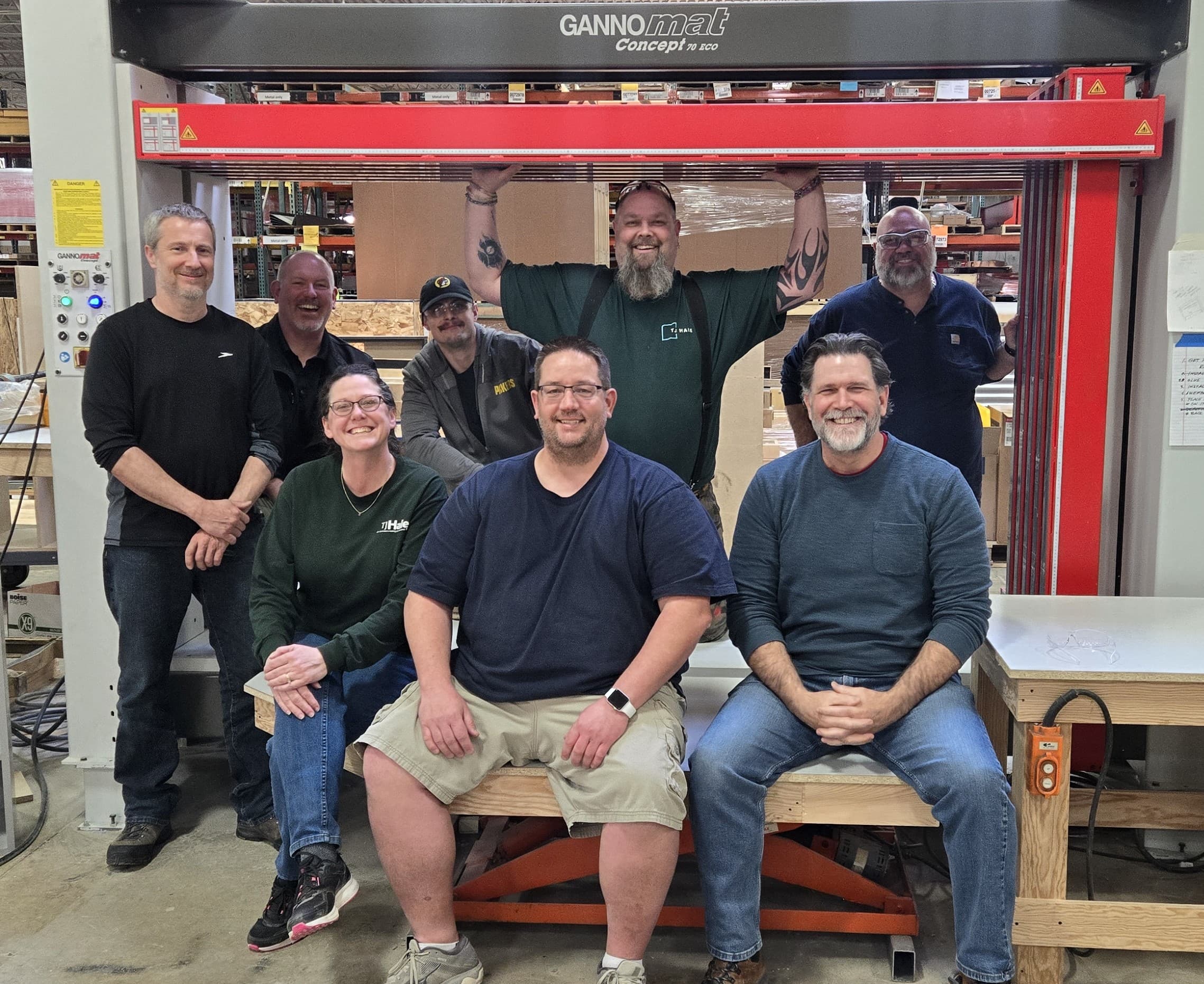
Manufacturing Operations — How Daniel Unlocked 25% More Output by Shifting to Team-Driven Execution

Manufacturing Operations

How Daniel Unlocked 25% More Output by Shifting to Team-Driven Execution

Daniel was a capable leader, but he had become the central hub for nearly everything. Decisions, problems, and progress all routed through him. Within eight weeks, his team shifted from leader-driven status updates to team-driven execution — and output rose roughly 25%, not from added hours but from better alignment.

  • Roughly 25% output increase in 8 weeks
  • Meetings shifted from status updates to team-driven execution sessions
  • Daniel's role changed from bottleneck to facilitator
Read the Full Story →
Operations & Planning — How Liz Turned Conflict Into Alignment

Operations & Planning

How Liz Turned Conflict Into Alignment

Liz's team was capable but conflict-averse. Issues went unspoken, decisions defaulted back to her, and alignment never quite landed. By building constructive conflict into the team's operating rhythm, she turned a long-standing weakness into a competitive advantage.

  • Conflict became a standing agenda item, not a thing to avoid
  • Decision-making improved as more perspectives surfaced
  • Team members addressed issues with each other instead of escalating to Liz
Read the Full Story →
Multi-Department Leadership — How Mark Moved From Leader Dependency to Shared Ownership

Multi-Department Leadership

How Mark Moved From Leader Dependency to Shared Ownership

Mark had strong individual relationships but no shared system. Every decision required his input. By turning implicit expectations into explicit agreements — and then letting the team hold each other to them — accountability stopped flowing upward and started running across the team.

  • Accountability shifted from leader-driven to team-owned
  • Issues that once escalated to Mark were handled at the team level
  • Mark moved from constant mediation to higher-value leadership
Read the Full Story →
Cross-Functional Operations — How Ramon Built Trust, Credibility, and Respect Across a Team

Cross-Functional Operations

How Ramon Built Trust, Credibility, and Respect Across a Team

Ramon had built strong one-on-one relationships with every team member — and was convinced that was the work of leadership. But the team itself wasn't a team. By turning trust, credibility, and respect from a leader-skill into a team-level system, he turned two parallel groups into one aligned organization.

  • Two parallel groups began operating as one aligned team
  • Trust, credibility, and respect lived horizontally — member to member, not just leader to member
  • TCR practice extended beyond the team into other departments
Read the Full Story →

Across Every Engagement, the Pattern Holds

  • Improved consistency in execution
  • Clearer accountability across teams
  • Stronger alignment between leadership levels

Your Organization Has Its Own Version of These Challenges

Start with the diagnostic to see where the gaps are, or open the conversation directly.