How Mark Moved From Leader Dependency to Shared Ownership
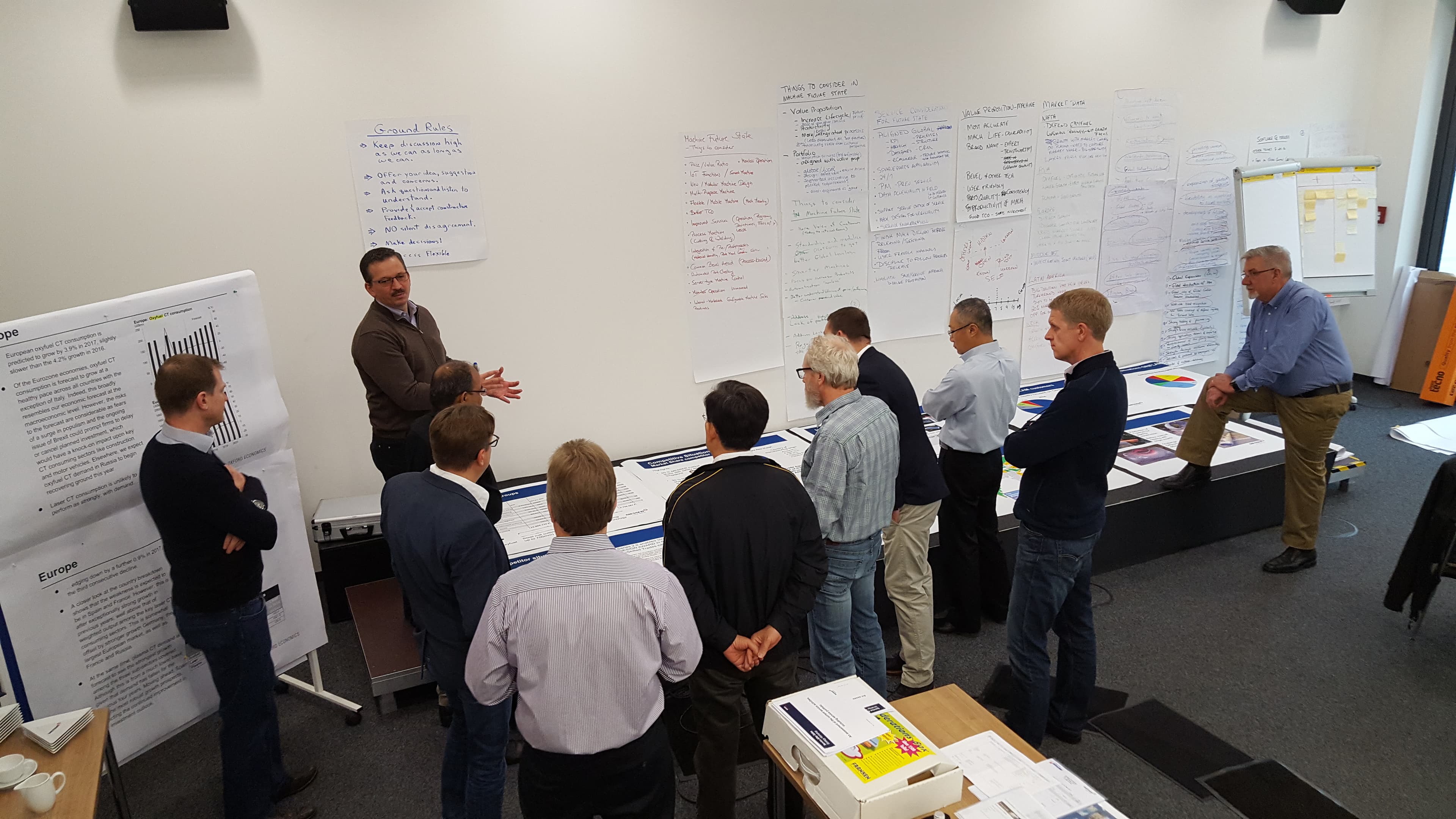
“Everything used to flow through me — now the team works through things together.”
The Challenge
Mark oversaw multiple teams — each with different functions, expectations, and histories. The teams were capable individually, but they lacked a shared understanding of how they should operate together. Expectations were largely unspoken. Accountability was inconsistent. When challenges arose, frustration often followed — not because people didn't care, but because they weren't aligned on what “good” looked like.
Despite strong individual relationships with team members, the overall system was heavily dependent on Mark to function. Team members brought problems to him. Decisions required his input. Accountability flowed upward. While this gave him control, it also created inefficiency and limited the team's ability to operate independently.
Mark's first instinct was to communicate more. The more he explained expectations, though, the clearer it became: the issue wasn't communication. It was the absence of a shared framework — and the habits to operate inside one.
The Approach
The work began with a structured approach to alignment: a Team Charter. At first Mark was skeptical. Documenting mission, expectations, and ground rules felt unnecessary — even superficial. But instead of treating it as a static document, he approached the charter as a working session that forced conversations the team had never had before.
Through the charter, expectations became explicit. Conversations that had been avoided — around frustrations, obstacles, and inconsistencies — were surfaced productively. The team defined what “good” looked like together. They clarified what was in scope and what wasn't, reducing the friction that had previously created so much rework.
What mattered most was what happened after the charter was created. Rather than filing it away, Mark and his team used it in real time. It became a reference point in conversations, a tool for accountability, and a way to reinforce standards without relying solely on him. When expectations weren't met, team members didn't default to Mark — they referenced what had already been agreed upon.
Alongside the charter, Mark introduced practices to build team-level trust, credibility, and respect. Team meetings were restructured to encourage participation and shared ownership. And Mark himself learned to step back — resisting the instinct to immediately solve problems, allowing the team to work through challenges on their own.
What Changed
- Accountability shifted from leader-driven enforcement to team-owned standards
- Conversations that once escalated to Mark were handled directly between team members
- Mark moved from constant mediation to focusing on higher-value leadership work
The team began operating with greater independence. Fewer issues were escalated. More decisions were made within the team. Communication became more direct, reducing misunderstandings and delays. Accountability improved as expectations became visible — and as people held each other to them.
For Mark, the impact was significant. The constant pressure of being the central decision-maker decreased, allowing him to focus on higher-value leadership. More importantly, he gained confidence in the team's ability to perform without his direct involvement.
The realization that defined the engagement was simple: leadership effectiveness is not measured by how much a leader does, but by how well the team performs without them. Shifting from a model of control to one of empowerment transformed not just the team's performance, but the sustainability of that performance over time.
If your organization is facing a similar challenge, we should talk.